By Richard Clements
How the Question First Arose
This possibility was first brought to my attention by Kerry Greenaway during her research into this part of Essex. It was not raised as a firm claim, but as something quietly intriguing. A connection between land, family, and place that seemed worth looking at more closely. From there, a simple question followed. Could Robert the Bruce have spent part of his early childhood in Writtle?
It is a question that sits comfortably between documented history and reasonable speculation.
The Bruce Family and Their English Holdings
The foundation of the idea lies with Robert the Bruce’s father, Robert de Brus, 6th Lord of Annandale. The Bruce family were an Anglo Norman dynasty with substantial estates in both England and Scotland. Writtle formed part of those English holdings.
In medieval terms, landownership was active rather than abstract. Estates required oversight, legal attention, servants, and a household presence. Families moved between their lands as necessity demanded. Children were part of that movement, especially in their earliest years.
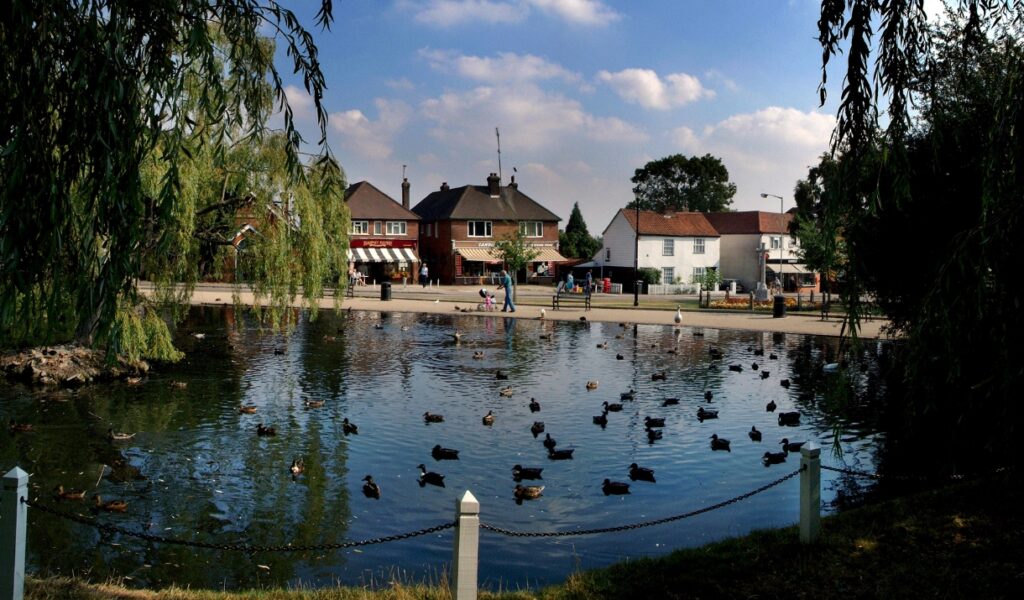
Writtle was not an isolated rural holding. Its proximity to London placed it firmly within the orbit of royal administration and noble life. For a family operating within English political structures during the late thirteenth century, it was a practical and sensible base.
Medieval Childhood and Mobility
It is easy to misjudge medieval childhood by modern standards. Noble children did not grow up rooted in one location. They moved with households, tutors, and retainers. Residence was shaped by obligation rather than sentiment.
If Robert the Bruce spent time in Writtle during his earliest years, this would have been entirely typical. It does not require long residence to matter. Even a limited period could influence language, social familiarity, and how later observers understood his background.
Chroniclers and the “English Nation”
One of the more revealing details comes from medieval chroniclers who described Bruce as belonging to the “English nation”. Read today, this phrase can seem puzzling. In its medieval context, it was often descriptive rather than political.
Such labels tended to reflect upbringing and environment rather than allegiance. A childhood that included time on English estates would explain this description without diminishing Bruce’s later role as King of Scots. It suggests complexity rather than contradiction.
Fosterage and a Shift in Identity
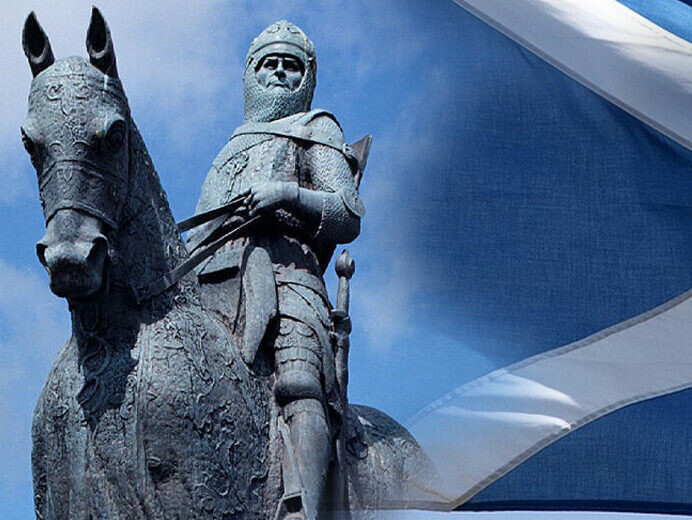
Like many noble children, Robert the Bruce was almost certainly fostered from around the age of seven or eight. Fosterage was a common practice, placing children into other households to build alliances and broaden experience.
In Bruce’s case, this likely meant immersion in Gaelic speaking regions of Scotland or Ireland. These years would shape the identity most closely associated with him today. An English childhood base followed by a Gaelic upbringing creates a layered rather than divided sense of belonging.
Why Writtle Still Matters
From a LifesQuest perspective, Writtle does not need to be claimed as a birthplace to hold significance. Its importance lies in connection. It reminds us that medieval Britain was fluid, mobile, and interconnected in ways that modern borders often obscure.
Asking whether Robert the Bruce once lived here encourages a quieter view of history. One where great figures pass through ordinary places, and where villages like Writtle sit within wider networks of land, power, and movement.
What Can and Cannot Be Said
There is no surviving document that definitively places a young Robert de Brus in Writtle. That absence remains. What can be said, with confidence, is that Writtle lay within his father’s holdings, and that this makes the idea historically reasonable rather than fanciful.
Sometimes the value lies not in proving a claim, but in recognising the ground on which such questions stand. In this case, that ground is an Essex village, a mobile medieval household, and a future king whose early life may have been broader and quieter than legend suggests.
References and Further Reading
- Essex Record Office
Holdings and catalogues relating to medieval landownership in Writtle and Essex. - Robert the Bruce, Fiona Watson
A modern reassessment of Bruce’s life, identity, and Anglo Scottish background. - BBC History
Articles discussing medieval identity and chroniclers’ references to the “English nation”. - History Extra
Features exploring Robert the Bruce’s upbringing, fosterage, and cultural influences. - Barrow, G W S. Robert Bruce and the Community of the Realm of Scotland.
Classic academic study of Bruce’s political and social world.
Richard Clements
LifesQuest