By Richard Clements
One of the recurring themes that continues to surface during our work across Essex is the idea of hidden tunnels. They appear again and again in local stories, often attached to churches, old manor houses, abbeys, and isolated estates. Sometimes these accounts are shared almost in passing; other times they form the centre of a place’s identity. Either way, they appear with striking regularity.
What becomes noticeable very quickly is that these stories rarely exist in isolation. Similar versions appear in different villages, often separated by miles, yet following remarkably similar patterns. A concealed passage. A way out. A route used in secret during troubled times. The repetition alone invites closer attention.
When Stories Start to Overlap
At first glance, many of these claims seem difficult to reconcile with reality. Long tunnels running beneath fields or villages would have required an extraordinary amount of labour, planning, and maintenance. In many cases, the scale described simply does not align with what we know about building practices of the time.
And yet, dismissing these stories outright feels unsatisfactory.
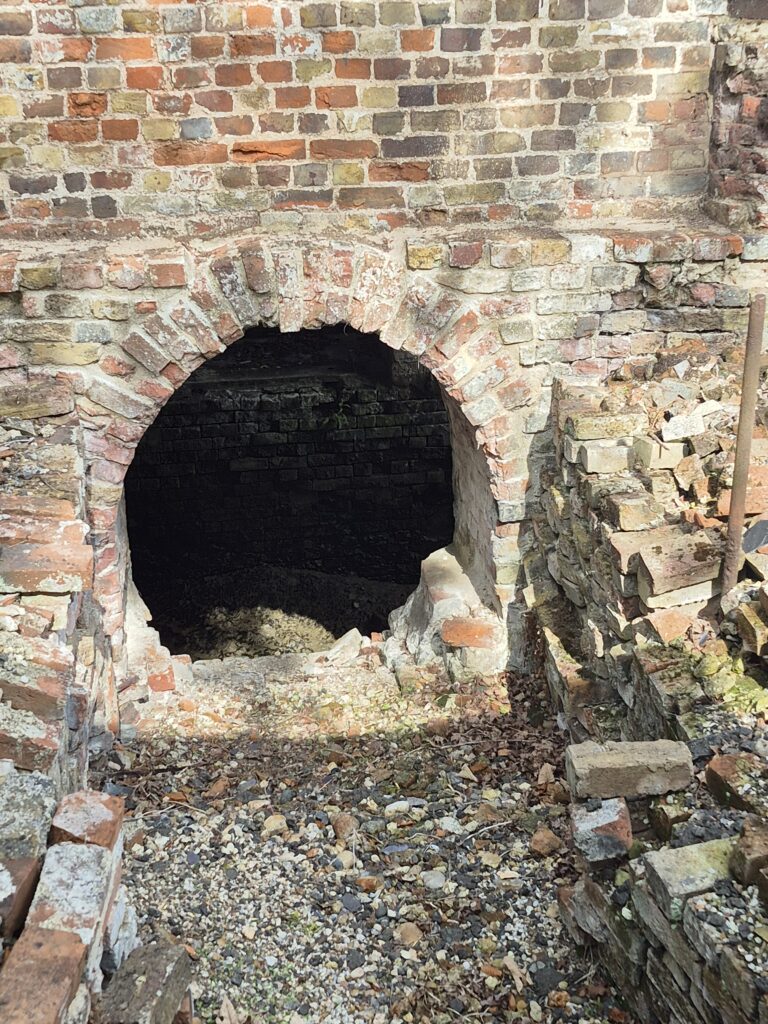
In many places, there is tangible evidence of something having existed: blocked doorways, sealed arches, odd voids in walls, or altered cellars whose original purpose is no longer clear. These features may not support the idea of long underground networks, but they do suggest that buildings were once used in ways that are no longer obvious.
Rethinking the “Tunnel”
This is where a different way of thinking begins to make sense. Instead of imagining long subterranean passages, it may be more useful to think in terms of movement.
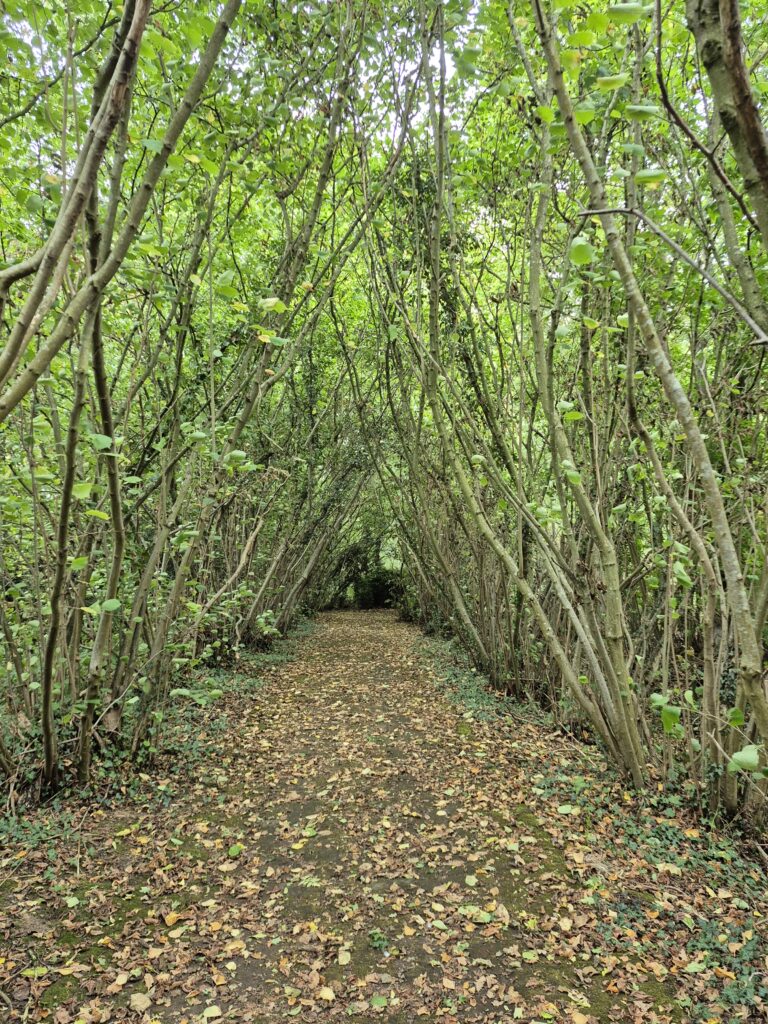
A short covered exit. A discreet service route. A path that led from a building into woodland or along a hedgerow. When combined, these features could allow someone to leave an area quietly and without drawing attention. Over time, as memory replaced direct experience, those practical routes may have merged into a single story of a tunnel.
In this reading, the tunnel is not a single structure but a shorthand for a series of connected movements. The physical details blur, but the idea remains.
Beeleigh and the Shape of the Landscape
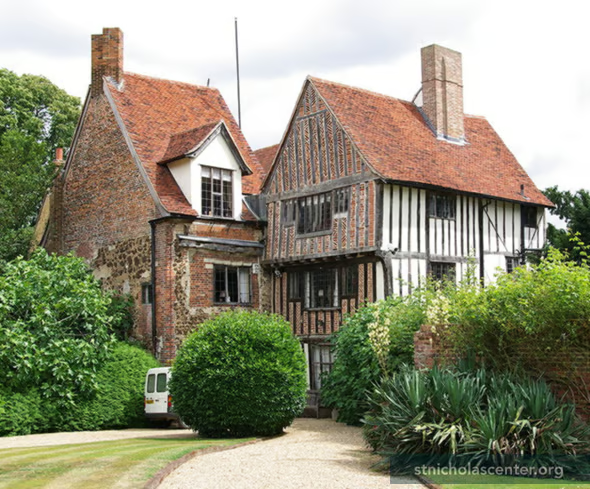
One example that continues to surface in our own work centres on the area around Beeleigh Abbey and the surrounding landscape near Maldon. Over time, some accounts have circulated suggesting the existence of routes linking the abbey to nearby sites, including local churches and, in some versions, into the town itself. Stories have also attached themselves to the area around the Blue Boar, suggesting movement between locations rather than a single, fixed tunnel. While there is no firm evidence for a continuous underground passage, the persistence of these accounts is notable. The geography of the area, with its waterways, marshland, and shifting ground, would undoubtedly have allowed discreet movement, and it is easy to see how such routes, once used and later forgotten, could gradually be remembered as something more direct and hidden.
Why These Stories Persist
The places where these stories cluster are rarely random. Religious houses, manor estates, and remote properties were often connected to authority, wealth, or conflict. During periods of unrest or religious tension, discretion mattered. Knowing how to move unseen could be a matter of safety rather than convenience.
It is not difficult to imagine how these experiences became embedded in local memory. Over time, practical knowledge softened into story. The landscape itself became part of the narrative, carrying traces of how people once moved through it.
What These Stories Tell Us
The value of these tunnel stories lies less in whether a particular passage can be proven to exist, and more in what they reveal about how people related to their environment. They speak of caution, adaptation, and quiet ingenuity. They also show how memory reshapes experience, turning fragments of lived reality into something larger and more enduring.
For us, this is where the real interest lies. Not in confirming or disproving each claim, but in understanding why these stories continue to surface, and what they tell us about how communities once navigated uncertainty.
It is a thread we intend to keep following.
Richard – LifesQuest